About Our Seminar
Welcome to the AI for HearTech Seminar Series, a collaborative initiative between the Department of Computer Science and Engineering and the Department of Communicative Disorders and Sciences at the University at Buffalo. Our bi-weekly workshops bring together researchers, clinicians, and students to explore innovative applications of artificial intelligence in hearing science and technology.
The series focuses on interdisciplinary approaches to critical challenges in hearing health, including objective assessment methods, diagnostic techniques, and personalized treatment strategies. Through these workshops, we aim to foster collaboration, inspire new research directions, and accelerate technological advancement in audiology through AI integration.
⭐ Next Session
Date: May 5, 2025
Time: 5:00 PM - 6:00 PM (EST)
Location: In-Person (Room TBA)
Topic: Applications of Large Language Models in Healthcare
Presenter: Shuwei Hou
Seminar Schedule
Session 1: AI in Audiology: Pupillometry Approaches for Objective Hearing Assessment
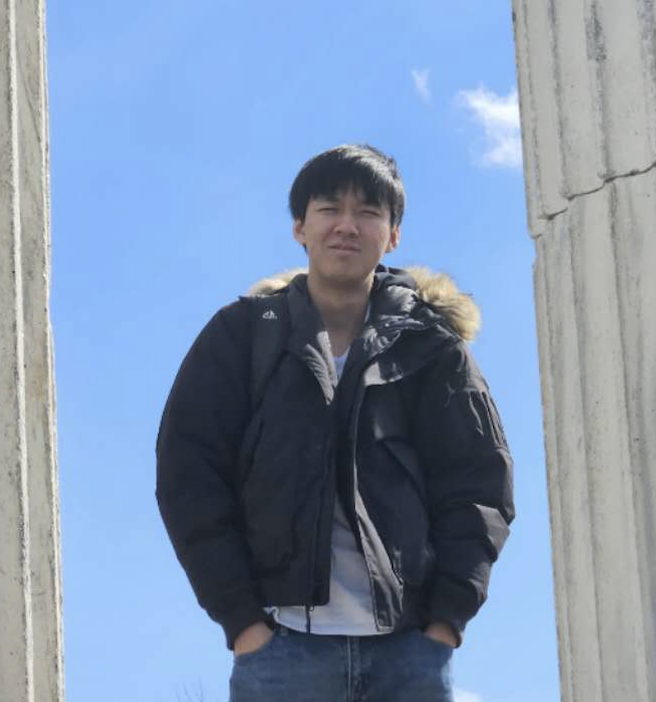
Chuhui Liu (Leo)
PhD Student, Computer Science, University at Buffalo, Sep. 2021 - May 2025
Summary
Chuhui Liu presented AudioSight, a smart pupillometry system for objective hearing assessment. The system uses pupil dilation measurements to objectively assess hearing disorders without requiring active patient participation. The technology integrates AI-driven components including object detection, segmentation models, and LSTM networks for artifact rejection. Preliminary clinical trials showed promising results in differentiating conditions like hyperacusis, misophonia, and tinnitus.
Session 2: Diagnostic Audiology: Foundations and AI Applications

Rania A. Sharaf, MSc
Clinical Audiologist, Ph.D. Student, Communication Disorders and Sciences, University at Buffalo
Summary
Rania A. Sharaf presented a comprehensive overview of diagnostic audiology fundamentals, including ear anatomy, hearing processes, and various testing procedures. The session explored different types of hearing loss and their clinical assessments. This sparked engaging discussions on potential AI applications in audiology, including tinnitus detection, virtual hearing labs, audiogram analysis, and personalized sound therapy approaches for various patient populations.
Session 3: Cyber Physical Systems: Applications in Audiology and Smart Health
Alexander Gheardi
First Year PhD Student, Department of Computer Science and Engineering, University at Buffalo
Summary
Alexander presented a comprehensive overview of Cyber Physical Systems (CPS) with applications in smart health and audiology. The session covered the fundamental components of a complete smart health system: physical sensors, data preprocessing, feature extraction, and AI inference models. Discussions included various sensing modalities, machine learning approaches, and potential applications for tinnitus treatment, objective response measurement, and over-the-counter hearing aid programming.
Session 4: Hearing Aids and Over-the-Counter Options: Clinical Practices and Technology Integration
Elizabeth Rivera Rosario, AuD
Doctoral Student, Department of Communicative Disorders and Sciences, University at Buffalo
Summary
Elizabeth presented a detailed overview of hearing aid technology, comparing traditional audiologist-fitted devices with over-the-counter options. The session covered the real ear measurement process, anatomical considerations in hearing aid fitting, and the professional impact of OTC hearing aids on audiology practices. Discussions explored opportunities for technology integration, including 3D printing applications, AI-enhanced verification methods, and improved self-fitting tools.
Session 5: EEG in Audiology Research: Brain Signal Analysis and AI Applications

Anarghya Das
Doctoral Student, Department of Computer Science & Engineering, University at Buffalo
Summary
Anarghya presented an overview of brain signals and electroencephalography (EEG) in audiology research. The session explored various methods of measuring brain activity, the complete EEG signal processing pipeline, and the potential of AI and machine learning for automatic feature extraction. Discussions included multi-channel EEG applications in clinical settings, considerations for special populations like ADHD patients, and the development of accessible tools for EEG analysis in audiology practice.
Session 6: Vestibular Assessment: Diagnostic Tests and Clinical Applications
Celine Wan, Au.D.
Au.D. Candidate, Department of Communicative Disorders and Sciences, University at Buffalo
Summary
Celine presented a comprehensive overview of the vestibular system and diagnostic tests used to assess balance and vestibular function. The session explored various testing procedures including videonystagmography (VNG), caloric testing, computerized dynamic posturography, and the Dix-Hallpike maneuver. Discussions focused on clinical interpretation of nystagmus patterns, challenges in vestibular testing, and potential applications of technology to improve diagnostic accuracy and patient experience.
Upcoming Session: Applications of Large Language Models in Healthcare
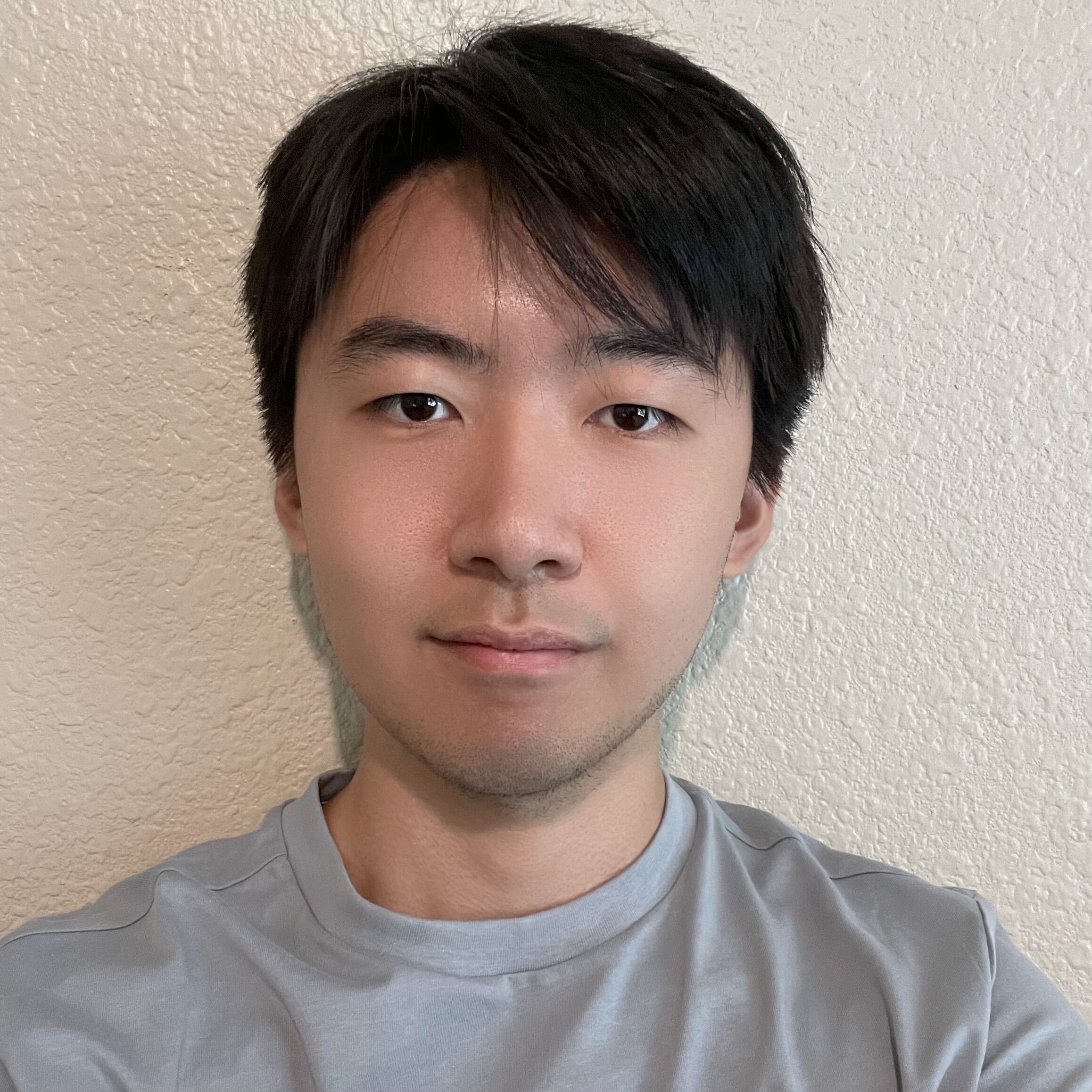
Shuwei Hou
PhD Student, Department of Computer Science & Engineering, University at Buffalo
Summary
Details for this session will be updated soon.
Resources
Presentation Slides
Access slides from all seminar presentations in our shared Google Drive folder:
Contact Information
For inquiries about the AI for HearTech seminar series, please contact:
Dr. Wenyao Xu, Professor and Associate Department Chair, Department of Computer Science & Engineering, University at Buffalo
Email: wenyaoxu@buffalo.edu
Office: 330 Davis Hall Buffalo, NY 14260-2500
Phone: (716)645-4748