Session Overview
Our second Audiology Workshop featured a comprehensive presentation by Rania A. Sharaf, MSc, a Clinical Audiologist and Ph.D. student in Communication Disorders and Sciences at the University at Buffalo. This session explored the fundamentals of diagnostic audiology and sparked discussions on potential AI applications in hearing assessment and treatment.
Ear Anatomy and Audiology Fundamentals
Rania provided an educational foundation on ear anatomy and the hearing process, explaining how sound waves travel through the outer, middle, and inner ear before being converted to electrical signals that reach the brain.
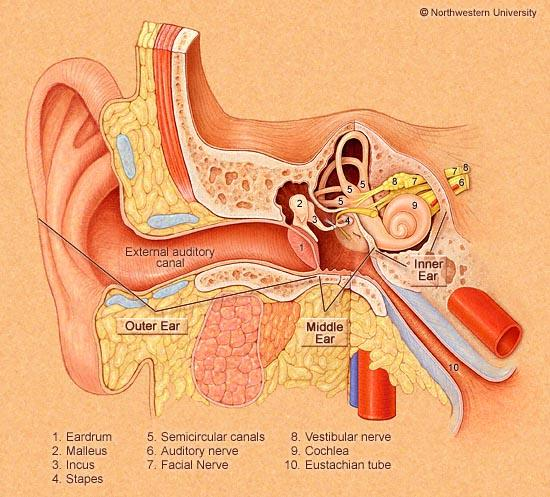
The presentation covered key concepts in audiology, including:
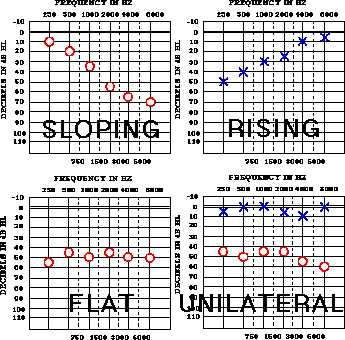
- Different types of hearing loss: conductive, sensorineural, mixed, and functional
- Audiological test battery components
- Objective and subjective assessment methods
- Interpretation of audiograms
Diagnostic Testing Procedures
Rania detailed several diagnostic procedures that are standard in clinical practice:
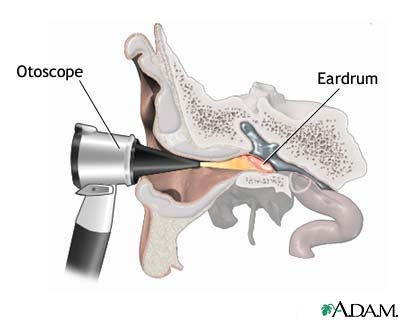
- Otoscopic Examination: Visual inspection of the ear canal and tympanic membrane
- Pure Tone Audiometry (PTA): Determining hearing thresholds at different frequencies
- Tympanometry: Assessing middle ear function through acoustic impedance
- Otoacoustic Emissions (OAE): Measuring sounds produced by outer hair cells in the cochlea
- Auditory Brainstem Response (ABR): Recording brain wave activity in response to sound
Discussion: AI Applications in Audiology
The presentation sparked engaging discussion about potential AI applications in the field of audiology:
Tinnitus Detection and Analysis
Rania shared her interest in developing models to separate tinnitus sound from other brain factors using AI. The group explored how techniques similar to those used in other medical fields might be applied to identify and characterize tinnitus profiles.
Virtual Hearing Lab Concept
The concept of a virtual hearing lab for remote screening and intervention was proposed, with particular focus on applications for patients with Down Syndrome. Mobile phones could potentially serve as accessible diagnostic tools when enhanced with AI capabilities.
Audiogram Analysis and Interpretation
Participants discussed how AI tools could assist in parsing and analyzing audiograms, potentially improving both speed and accuracy of diagnosis. This could be particularly helpful in settings where specialist expertise is limited.
Personalized Sound Therapy
Dr. Wei Sun suggested that AI could analyze large datasets to identify effective sound therapy approaches for different populations, and even personalize treatments for individual tinnitus patients based on their specific auditory profiles.
Special Topics: Genetic Factors in Hearing Loss
During the discussion, Rania mentioned a case of auditory neuropathy, where hearing loss occurs despite normal audiogram results due to a mutation in the autoferlin gene. The team agreed that this condition is relatively new and not related to other neuropathies, highlighting the complexity of genetic factors in hearing disorders and the potential for AI to help identify patterns across diverse patient populations.
Integration of AI in Clinical Workflows
Wenyao raised important considerations about the integration of AI tools into clinical workflows and how they could be financially supported, suggesting the need for a model similar to the one used in eye clinics where insurance covers an additional fee for AI-based diagnosis. This sparked discussion about practical implementation challenges beyond the technical aspects of AI applications in audiology.
Next Steps
- Alex to prepare and give a presentation on common techniques for measuring biometrics (like heartbeat, weight, etc.) using smartphones at the next meeting in 2 weeks
- Wei Sun to bring an ear camera to the next meeting to demonstrate ear examination techniques
- Wei Bo to send out the AI-generated meeting summary to all participants
- Wei Bo to upload any additional notes from participants to the shared drive folder
- All participants to review the contact folder in the shared drive for email addresses if they want to follow up with each other
Future Directions
The workshop identified several promising research directions at the intersection of AI and audiology:
- Developing objective biomarkers for assessing hearing therapy effectiveness
- Creating models to differentiate between hearing loss and speech disorders
- Designing AI tools that integrate into clinical workflows with appropriate financial models
- Using various data modalities (speech, image, neural data) for comprehensive assessment
This interdisciplinary approach highlights the potential for AI to transform audiology practices while maintaining the critical expertise of clinical professionals.
Next Session: Cyber Physical Systems: Applications in Audiology and Smart Health
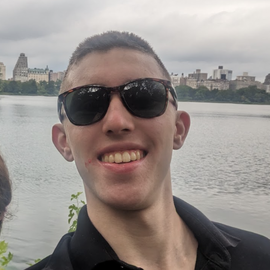
Alexander Gheardi
First Year PhD Student, Department of Computer Science and Engineering, University at Buffalo
Join us for a presentation on cyber physical systems and their applications in audiology and smart health.
View Full Schedule