Session Overview
Our fourth Audiology Workshop featured Elizabeth Rivera Rosario, AuD, a doctoral student in the Department of Communicative Disorders and Sciences at the University at Buffalo. This session explored the clinical aspects of hearing aids, the emergence of over-the-counter (OTC) options, and the technological integration opportunities at this intersection.
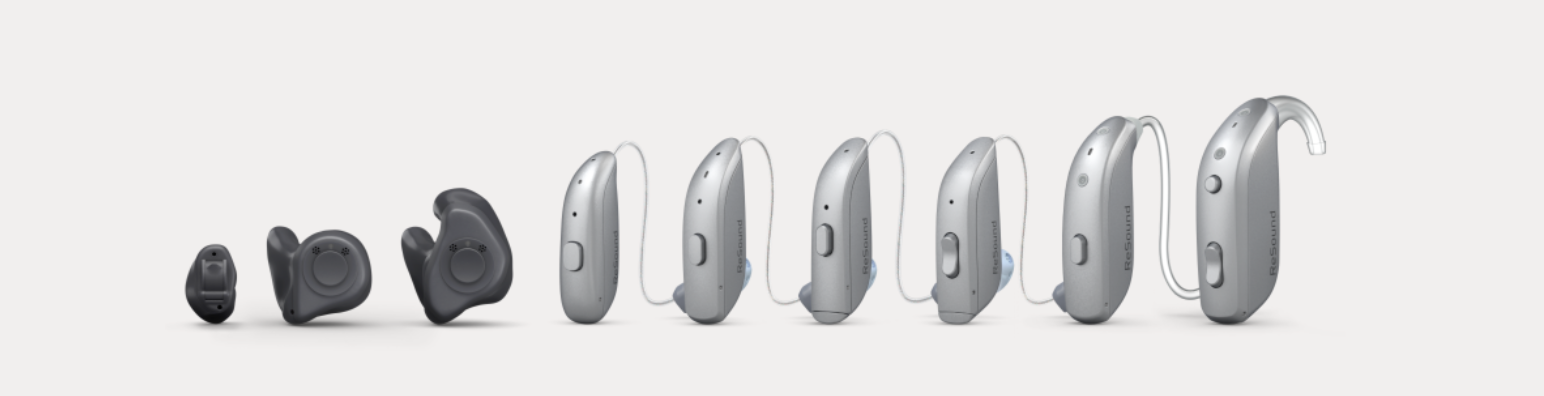
Hearing Aids: Clinical Impact and Benefits
Elizabeth began with a comprehensive overview of hearing aid technology and its critical role in managing hearing loss. She emphasized three key benefits of properly fitted hearing aids:
- Quality of Life Improvements: Addressing social isolation and communication difficulties
- Cognitive Benefits: Reducing cognitive load associated with hearing impairment
- Speech Recognition: Enhancing the ability to understand speech in various environments
.jpg)
The presentation highlighted the importance of proper fitting and verification in achieving these benefits, particularly through real ear measurements that ensure appropriate amplification is delivered.
Traditional vs. Over-the-Counter Hearing Aids
Elizabeth outlined the key differences between traditional audiologist-fitted hearing aids and the emerging over-the-counter options:
| Traditional Hearing Aids | Over-the-Counter (OTC) Hearing Aids |
|---|---|
| Professional assessment and fitting | Self-assessment and self-fitting |
| Real ear measurement verification | No verification or limited self-verification |
| Customized programming | Limited pre-set programming options |
| Higher cost ($1,000-$6,000 per pair) | Lower cost ($200-$1,000 per pair) |
| Bundled follow-up services | Limited or no professional support |
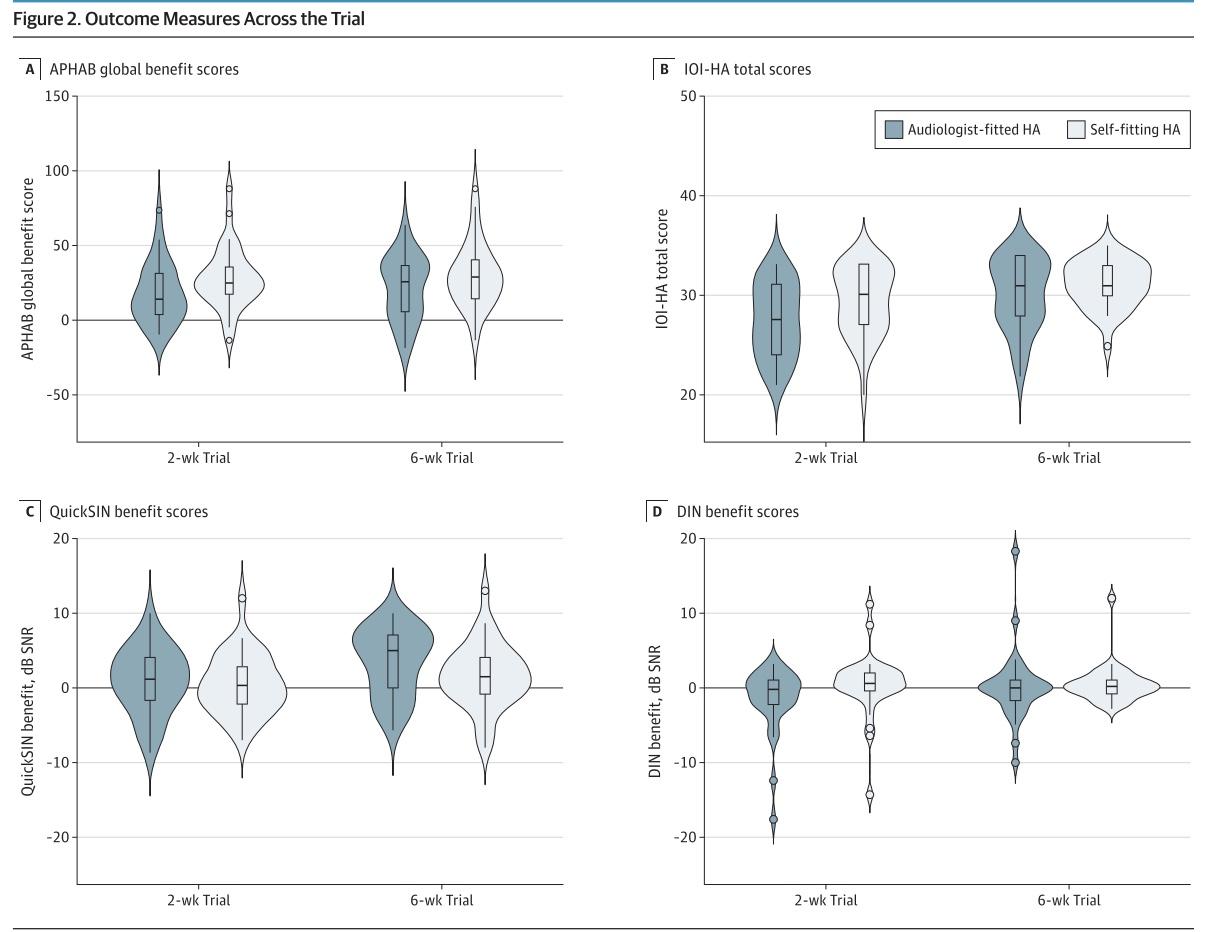
Elizabeth noted that while OTC options have made hearing assistance more accessible, research suggests traditionally fitted devices may provide superior outcomes for many users, particularly those with complex hearing needs.
Real Ear Measurement Process
A significant portion of the session focused on real ear measurement (REM), a critical verification step in the hearing aid fitting process:
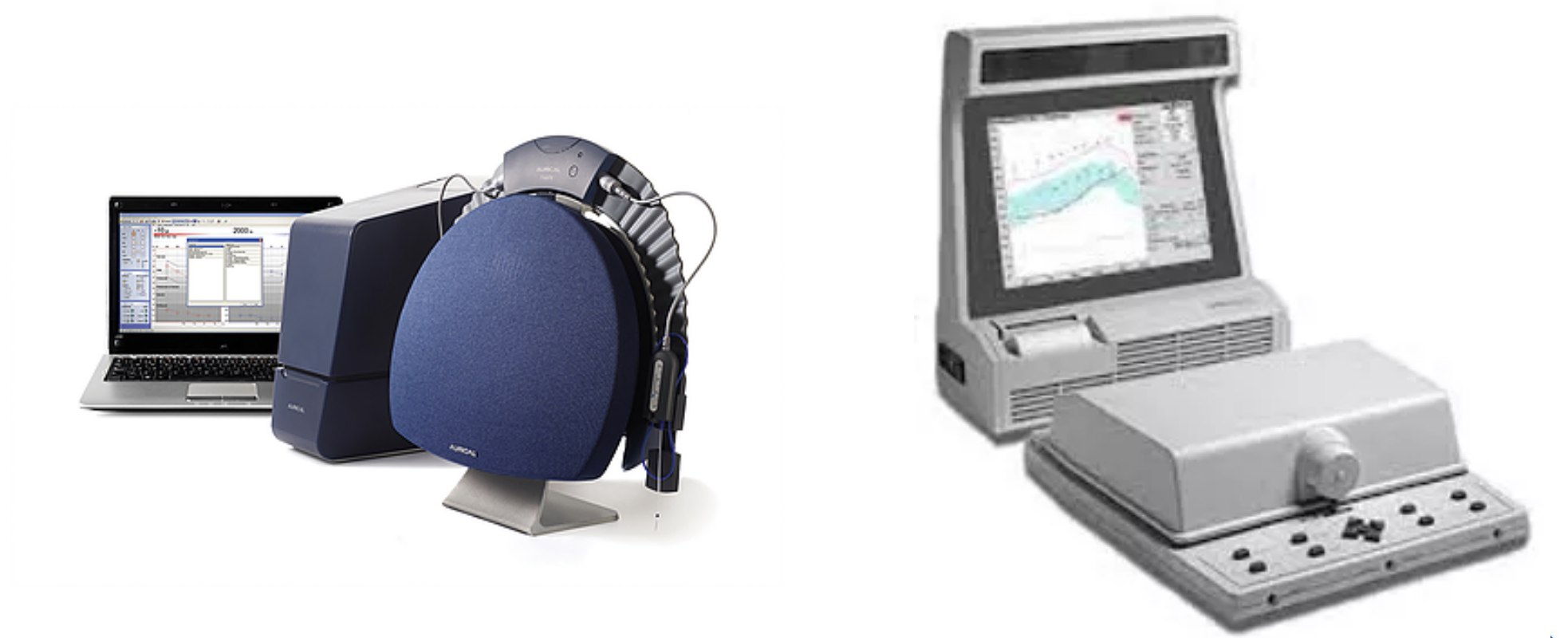
Elizabeth explained the process in detail:
- A tiny microphone is placed in the ear canal
- Sound is played at different frequencies and intensities
- Measurements are taken with and without the hearing aid
- The difference represents the actual gain provided by the device
- Adjustments are made to match prescribed targets based on the individual's audiogram
Wei Sun clarified that this process measures the true output of the hearing aid when worn by the specific individual, accounting for the unique acoustics of each person's ear canal. The team discussed that this process typically takes 40-60 minutes with a human subject, while coupler measurements (without a human) might take 15-20 minutes but lack personalization.
Anatomical Considerations in Hearing Aid Fitting
The discussion addressed how individual ear canal anatomy significantly impacts hearing aid performance:
- Each person's ear canal creates unique resonance patterns
- These resonances can amplify certain frequencies while diminishing others
- The shape of the ear canal changes throughout life and even during the day
- These variations significantly impact the effective gain of hearing aids
Varun and Wei Sun highlighted that these anatomical differences explain why generic amplification (as often provided by OTC devices) may not deliver optimal results for many individuals with hearing loss.
Discussion: Technology Integration Opportunities
The session sparked several discussions about potential technological innovations at the intersection of AI and hearing healthcare:
3D Printing Applications
The team explored using 3D printing technology for hearing aid calibration and verification. Possibilities included:
- Creating standardized ear canal models for testing
- Using 3D scanning to produce custom ear molds
- Developing personalized coupler systems that replicate individual ear acoustics
AI-Enhanced Verification
Discussion centered on how AI might streamline the verification process:
- Automated gain adjustment based on real-time measurements
- Pattern recognition to identify problematic frequency responses
- Predictive modeling of individual-specific acoustic properties
Improving OTC Experience
The team considered ways that technology could improve the OTC hearing aid experience:
- Smartphone-based verification tools
- Self-administered hearing tests with AI validation
- Remote assistance platforms connecting consumers with professionals
Professional Impact of OTC Hearing Aids
Elizabeth discussed how the audiology profession is adapting to the OTC hearing aid market:
- Initial resistance giving way to recognition of inevitability due to FDA approval
- Clinics developing new service models focused on OTC support and verification
- Concerns about revenue impacts, as traditional bundled hearing aid sales represent a significant income source for practices
- Emerging opportunities for audiologists to serve as consultants rather than device providers
The group discussed conducting research on audiologists' current perspectives on OTC devices and their impact on clinical practice, with plans to design a survey for local Buffalo audiology clinics.
Next Steps
- Elizabeth to research recent questionnaires or surveys on audiologists' current thoughts about over-the-counter hearing aids
- Research team to design a survey for local Buffalo audiology clinics to gather their thoughts on how OTC hearing aids affect their business and clinical routines
- Research team to contact local Buffalo audiology clinics for potential collaboration opportunities
- Dr. Sun to find the next presenter after Anarghya to talk about vestibular evaluation
- Anarghya to prepare a presentation on neural representations of hearing for the next workshop
Future Directions
The workshop identified several promising research directions at the intersection of hearing aid technology, clinical practice, and AI:
- Verification Tools: Developing accessible verification methods for OTC devices
- Economic Models: Exploring new business models for audiology practices in the OTC era
- Hybrid Approaches: Creating systems that combine the accessibility of OTC with the precision of professional fitting
- Custom Manufacturing: Investigating cost-effective personalization through advanced manufacturing techniques
The next workshop is scheduled for two weeks later and will feature Anarghya discussing neural representations of hearing.
Next Session: Neural Representations of Hearing

Anarghya Das
Doctoral Student, Department of Computer Science & Engineering, University at Buffalo
Join us for a presentation on neural representations of hearing.
View Full Schedule