Session Overview
Our third Audiology Workshop featured Alexander Gheardi presenting on Cyber Physical Systems (CPS) with a focus on smart health applications in audiology. This session explored the integration of physical sensors with AI techniques, emphasizing the complete pipeline from data collection to inference in health-related contexts.
Anatomy of Smart Health Systems
Alexander introduced the fundamental components of cyber physical systems, highlighting their critical role in modern healthcare applications. A complete smart health system consists of four key elements:
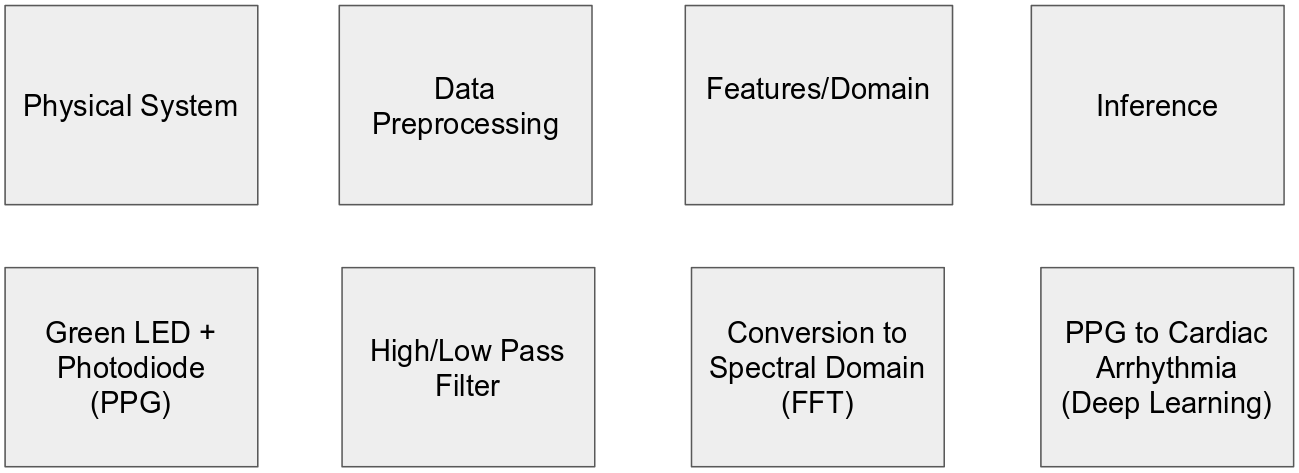
- Physical Sensors: Devices that capture physiological or environmental data
- Data Preprocessing: Filtering and cleaning techniques to enhance signal quality
- Feature/Domain Extraction: Transformation of raw data into meaningful representations
- Inference: AI models that interpret the features to make predictions or classifications
To illustrate this framework, Alexander demonstrated how a simple optical system using a green LED and photodiode can establish a relationship between photoplethysmography (PPG) signals and cardiac arrhythmia through appropriate preprocessing and AI techniques.
Sensing Modalities for Health Applications
The presentation covered various sensing modalities applicable to audiology and broader health monitoring:
- Acoustic: Active or passive spectrogram analysis
- Optical: LED/laser-based measurements or camera imaging
- Electrical: Impedance, EEG, ECG, EOG, EMG measurements
- Movement: IMU-based motion tracking
- Ambient: Temperature, pressure, and environmental sensing
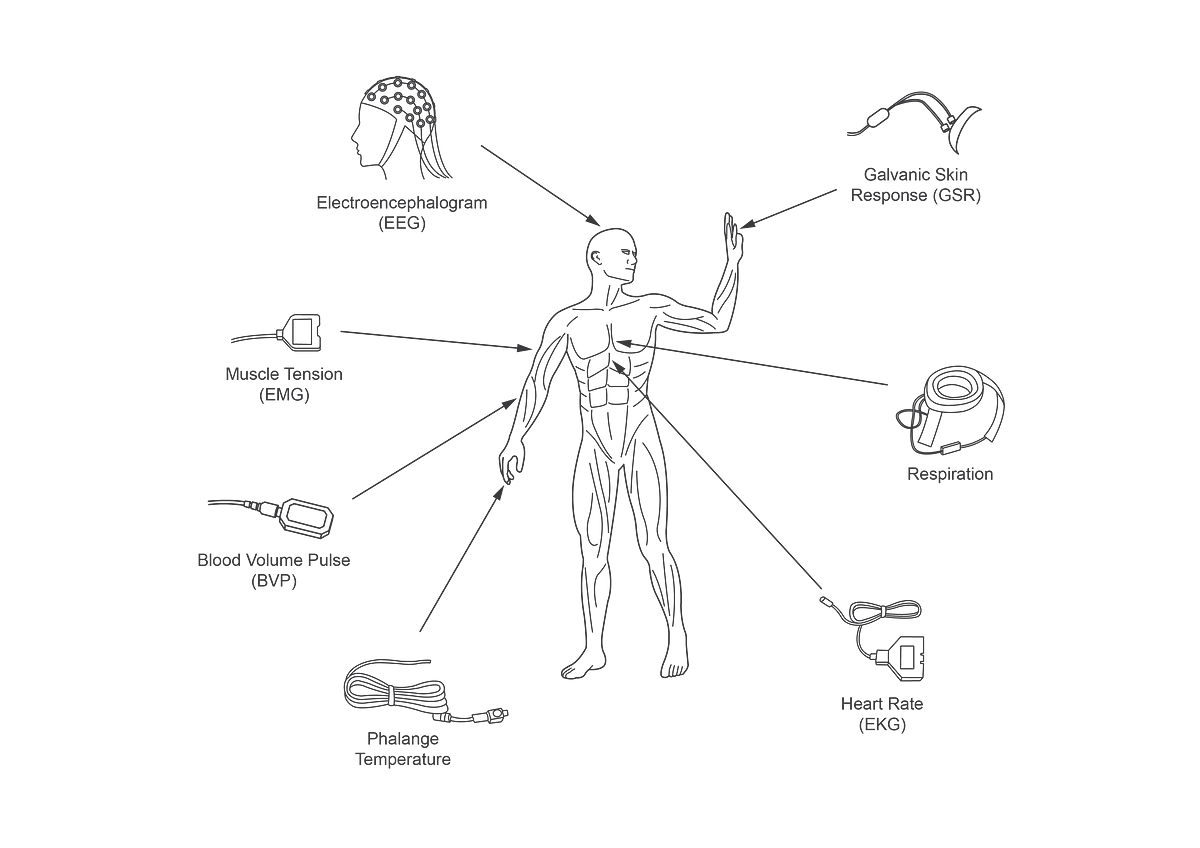
Alexander highlighted several physiological characteristics that can be monitored with these modalities, including:
- Eye measurements (pupil size, ERG, gaze)
- Heart activity (BPM, ECG, PPG)
- Brain activity (EEG)
- Muscle activity (EMG, EIT)
- Skin properties (tissue spectra, moisture, temperature)
Data Preprocessing Techniques
A significant portion of the presentation focused on preprocessing techniques essential for effective health monitoring systems:
- Frequency Filtering: High-pass, low-pass, band-pass, and band-stop filters
- Blind Source Separation: PCA and ICA for isolating signals from noise
- Beamforming: Directional signal processing (analogous to "pointing the ear")
- Statistical Approaches: Moving averages, Wiener filters, and spectral estimation
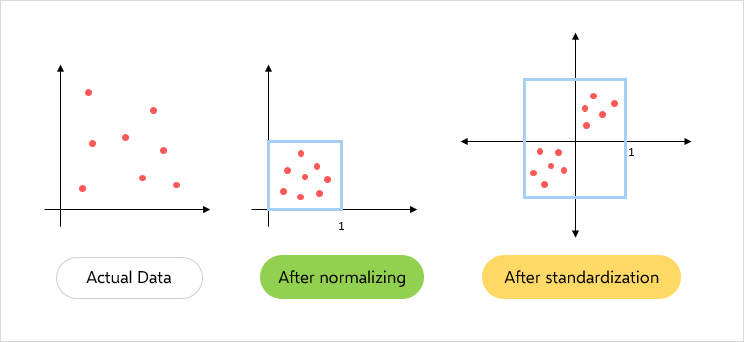
Alexander emphasized the importance of normalization in preparing data for AI systems, discussing various approaches including max normalization, min-max scaling, and z-standardization. He noted that normalization provides the consistency necessary for effective machine learning, especially when absolute scale is less important than relative patterns.
Machine Learning Approaches
The presentation covered the spectrum of machine learning approaches relevant to audiology applications:
Machine Learning vs. Deep Learning
Alexander differentiated between traditional machine learning and deep learning approaches:
- Traditional ML: Engineers define simple features, and models learn relationships between these features and targets
- Deep Learning: Multi-layered networks learn features and their relationships simultaneously, enabling direct mapping from raw inputs to desired outputs
Supervised vs. Unsupervised Learning
The discussion included various learning paradigms:
- Supervised Learning: Models trained with labeled data (95% of health applications)
- Unsupervised Learning: Pattern discovery in unlabeled data
- Hybrid Approaches: Combining unsupervised methods for understanding data structure with supervised techniques for targeted outcomes
Reinforcement Learning for Adaptive Systems
Alexander introduced reinforcement learning as a promising approach for audiology applications, particularly for adaptive sound therapy:
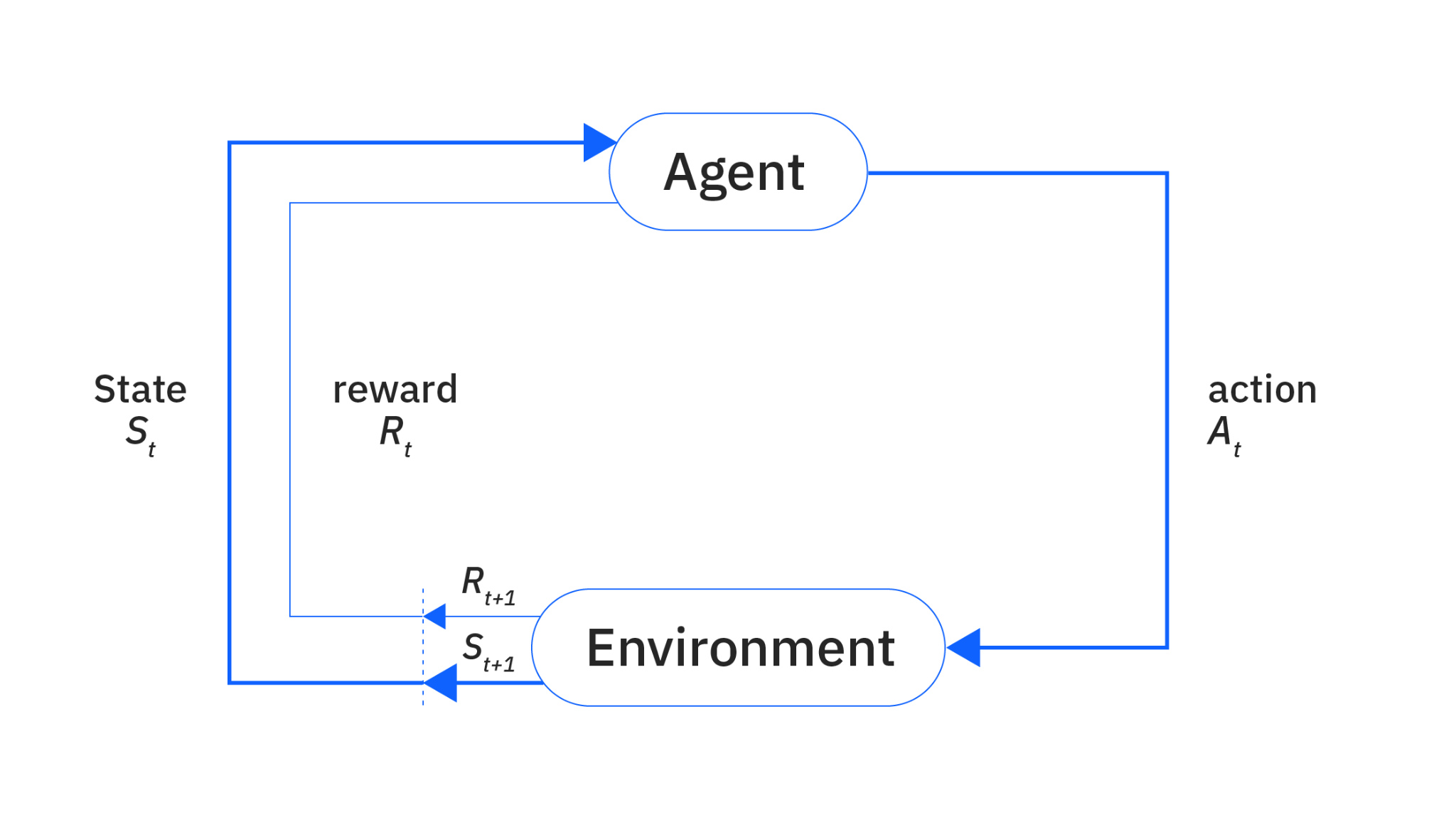
- Systems learn through reward-based feedback
- Particularly useful for optimizing sequences of decisions with long-term outcomes
- Applicable to personalized tinnitus treatment through sound stimulation
Discussion: Applications in Audiology
The presentation sparked rich discussion about potential applications in audiology:
Tinnitus Treatment System
Dr. Wei Sun proposed developing a comprehensive tinnitus management system incorporating:
- Matching algorithms to characterize individual tinnitus profiles
- Adaptive sound generation using reinforcement learning
- Monitoring tools to track treatment efficacy
Elizabeth clarified that current tinnitus noise generators primarily aim to distract rather than mask, emphasizing the need for nuanced approaches to sound therapy.
Objective Response Measurement
The group discussed using multiple sensor types to objectively measure patient responses to audio stimuli:
- EEG for neural response characterization
- Heart rate and galvanic skin response for discomfort assessment
- Pupillometry for cognitive effort measurement
Over-the-Counter Hearing Aid Programming
The team explored how AI could enhance self-fitting of OTC hearing aids:
- Noise-canceling technology to improve testing accuracy
- Algorithms for appropriate gain selection based on user feedback
- Virtual environments to simulate real-world listening conditions
Next Steps
- Research team to develop a prototype for tinnitus simulation and treatment software and to investigate the potential of using reinforcement learning for adaptive tinnitus sound therapy
- Elizabeth to provide input on integrating noise-canceling technology into hearing aid self-tests
- Research team to explore the application of AI in over-the-counter hearing aid programming and fitting
- Research team to consider incorporating EEG or other physiological signals to objectively measure patient response to tinnitus treatments
Future Directions
The workshop identified several promising research avenues at the intersection of cyber physical systems and audiology:
- Multimodal Sensing: Combining acoustic, physiological, and behavioral measurements for comprehensive assessment
- Reinforcement Learning: Developing adaptive algorithms for personalized sound therapy optimization
- Miniaturization: Creating wearable, unobtrusive monitoring solutions for continuous assessment
- Hybrid Learning Models: Using advanced AI approaches that reduce dependence on large labeled datasets
The next workshop is scheduled for two weeks later and will focus on the integration of these concepts into practical applications for hearing health care.
Next Session: Hearing Aids and Over-the-Counter Options: Clinical Practices and Technology Integration
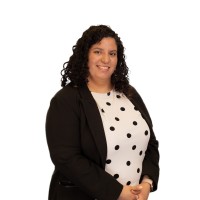
Elizabeth Rivera Rosario, AuD
Doctoral Student, Department of Communicative Disorders and Sciences, University at Buffalo
Join us for a presentation on hearing aids and over-the-counter options in audiology.
View Full Schedule