Session Overview
Our fifth Audiology Workshop featured Anarghya Das, a doctoral student in the Department of Computer Science and Engineering at the University at Buffalo. This session explored the applications of electroencephalography (EEG) in audiology research, with a focus on brain signal analysis techniques and the potential for AI integration in EEG data processing and interpretation.
Anarghya presented a comprehensive overview of brain signals and EEG methods, discussing various approaches to measuring neural activity and highlighting the potential for machine learning to automate feature extraction in EEG data analysis. The presentation sparked engaging discussions about multi-channel EEG applications in clinical audiology and the development of user-friendly tools for analysis.
Brain Signal Measurement Techniques
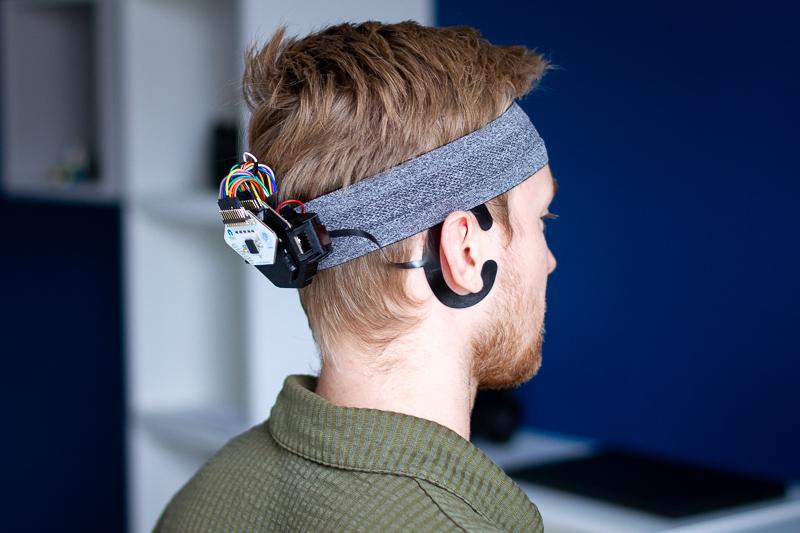
Anarghya began with an introduction to different methods of measuring brain activity, with a particular focus on non-invasive electroencephalography (EEG) techniques:
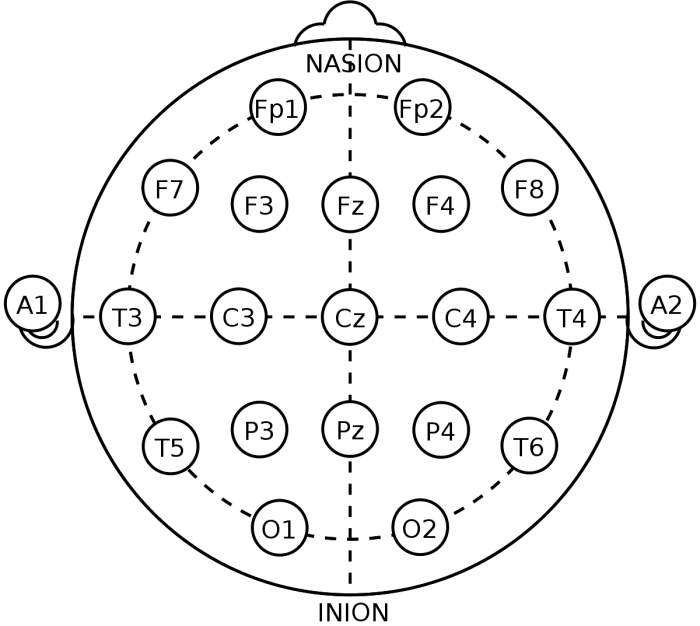
The presentation explained several key aspects of EEG technology:
- Electrode types and placement standards
- Signal acquisition parameters and sampling rates
- Common reference schemes and their implications
- Considerations for auditory evoked potential recording
EEG Signal Processing Pipeline
Anarghya outlined the complete workflow for EEG signal analysis in audiology applications:
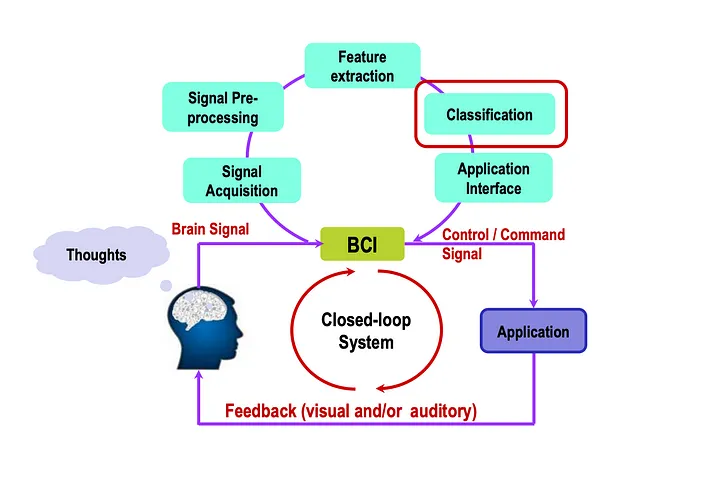
The workflow includes several critical stages:
- Signal Acquisition: Recording raw EEG data with appropriate hardware
- Preprocessing: Filtering, artifact removal, and signal cleaning
- Feature Extraction: Identifying meaningful features in time, frequency, or time-frequency domains
- Analysis: Applying statistical or machine learning methods to extract insights
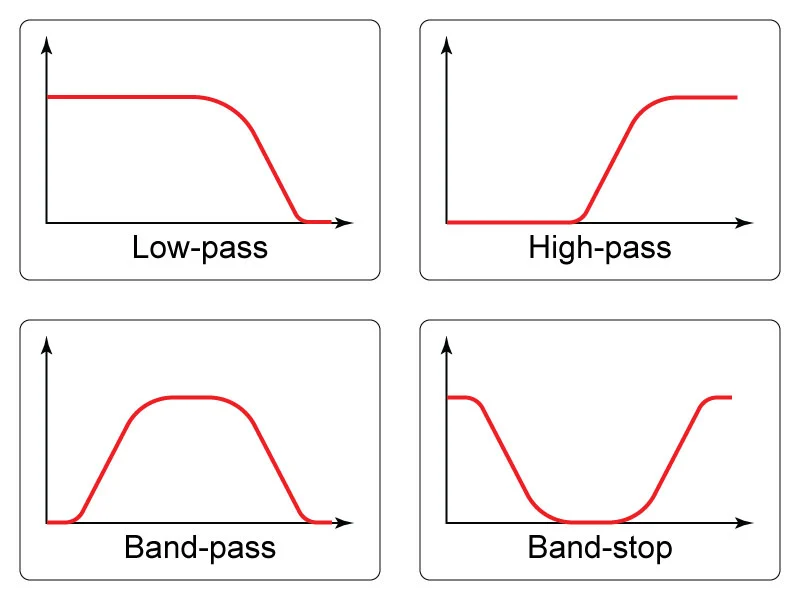
For preprocessing specifically, Anarghya discussed various digital signal filtering approaches:
Multi-Channel EEG in Audiology
A significant portion of the discussion focused on the potential advantages of multi-channel EEG recording in audiology applications:
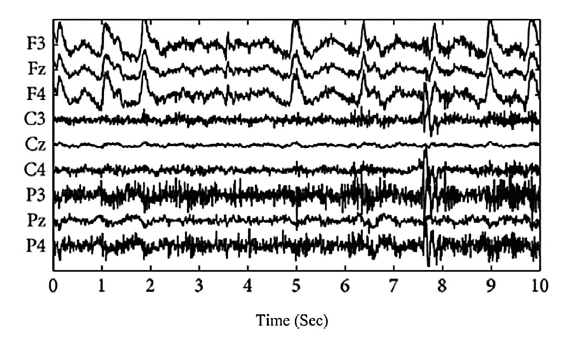
Wei Sun explained that current auditory evoked potential tests in clinical settings typically use only a single channel, which limits spatial information about brain activity. The group discussed how multi-channel approaches could provide richer insights:
- Enhanced localization of auditory processing
- Better separation of different signal sources
- Improved detection of subtle hearing impairments
- More robust data for machine learning applications
The team explored the feasibility of developing user-friendly software for multi-channel auditory evoked potential equipment that could enhance clinical utility while remaining accessible to practitioners without extensive technical expertise.
AI and Deep Learning for EEG Analysis
Anarghya presented on the potential for artificial intelligence to transform EEG data analysis in audiology:
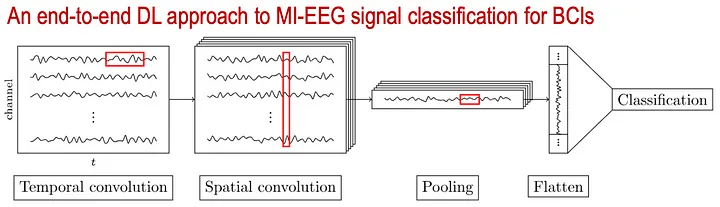
The discussion highlighted several key advantages of AI-based approaches:
- Automatic Feature Extraction: Reducing the need for manual identification of relevant signal characteristics
- Pattern Recognition: Identifying subtle patterns that might not be apparent through traditional analysis
- Classification: Differentiating between normal and pathological signals with high accuracy
- Personalization: Adapting to individual variations in brain responses
The team discussed existing tools like EEG Toolbox and MNE Python for visualizing and processing multi-channel EEG data, but noted that deep learning applications may require more specialized technical knowledge. This sparked a conversation about developing more accessible tools that could integrate AI capabilities without extensive coding requirements.
Clinical Applications in Audiology
The session included valuable input from audiology professionals about potential clinical applications:
Evoked Potentials in Audiology Assessment
Anarghya discussed how evoked potentials serve as critical diagnostic tools in audiology:
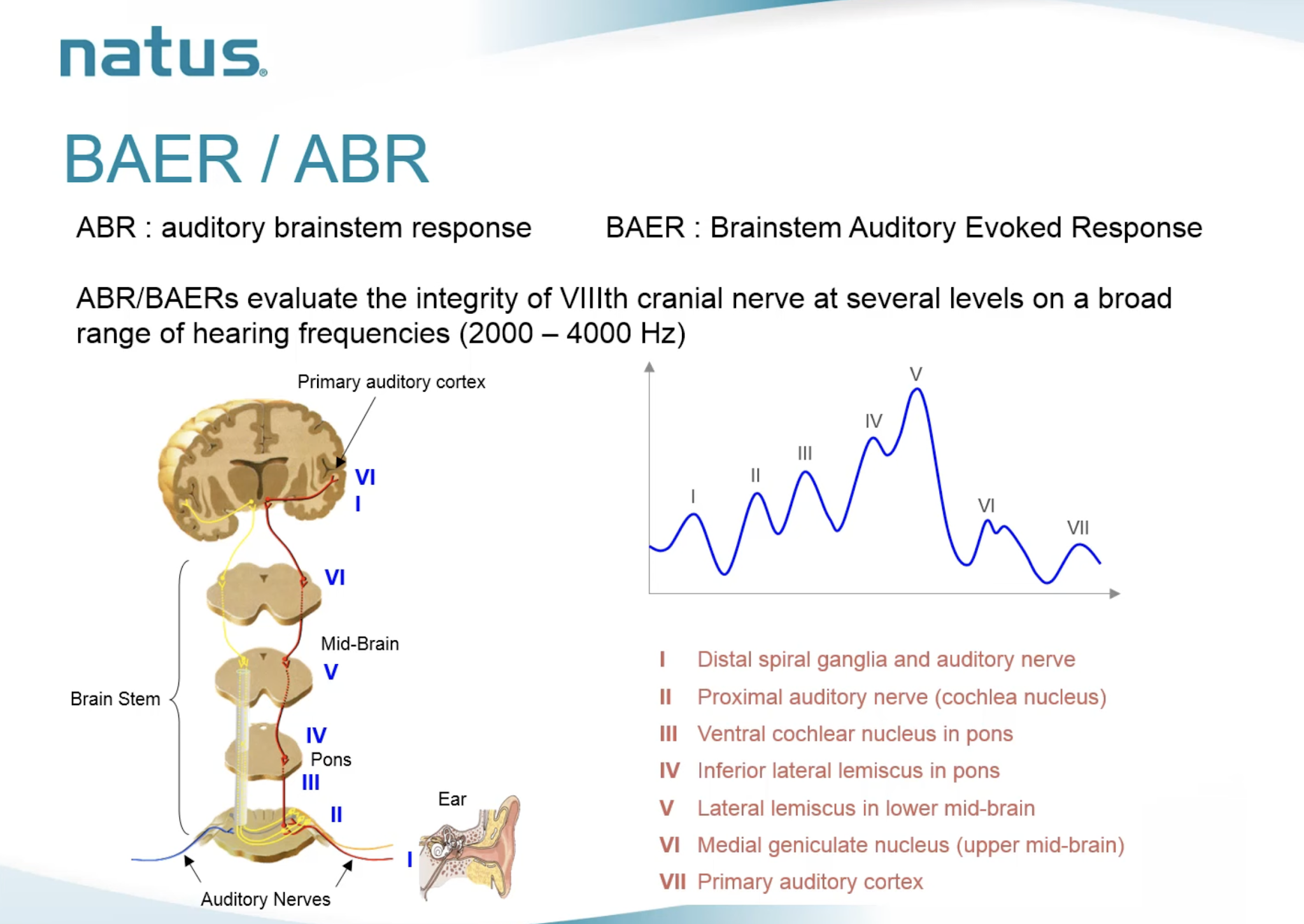
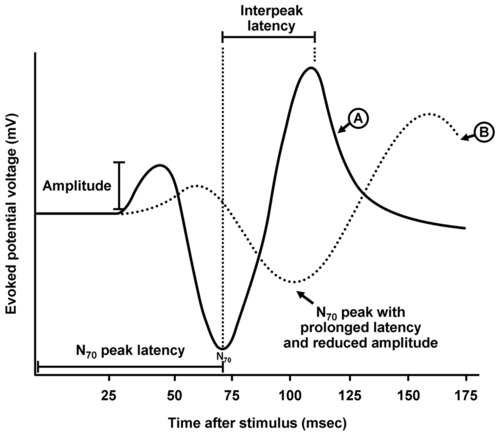
Evoked potentials are brain responses to specific sensory, motor, or cognitive stimuli measured via EEG. Key types relevant to audiology include:
- Auditory Evoked Potentials (AEPs): Triggered by sound stimuli such as clicks or tones
- Auditory Brainstem Response (ABR): Evaluates the integrity of the auditory pathway from cochlea to brainstem
- Cortical Auditory Evoked Potentials (CAEPs): P1-N1-P2 complex reflecting cortical sound processing
- Mismatch Negativity (MMN): Negative deflection when the brain detects an unexpected sound in a series of repetitive stimuli
- Visual Evoked Potentials (VEPs): Triggered by visual stimuli like flashing lights or checkerboard patterns
- P100 response from the occipital cortex (discussed in relation to multimodal assessments)
EEG Biomarkers for Hearing Disorders
The discussion highlighted several emerging EEG biomarkers for various hearing conditions:
- General Hearing Impairment: Reduced P1-N1-P2 complex amplitude/latency and altered theta and alpha power
- Misophonia: Altered alpha-band power during trigger sound exposure, heightened attentional processing, and heightened responses to trigger sounds
- Tinnitus: Increased delta (1-4 Hz) and theta (4-8 Hz) power with decreased alpha (8-12 Hz) and beta (13-30 Hz) activity
These biomarkers offer potential for objective assessment of conditions that have traditionally relied on subjective patient reporting.
ADHD and Pediatric Applications
Rania explained that EEG-based testing can be particularly valuable for:
- Patients with ADHD who cannot sit still for conventional hearing tests
- Children under 6 years old who cannot perform visual reinforcement audiometry
- Cases where there is suspicion of non-organic hearing loss
Beyond Standard Evoked Potentials
The team discussed extending analysis beyond the traditional P100 component:
- Training AI to analyze multiple wave components
- Developing metrics for latency and amplitude variations
- Creating comprehensive profiles of auditory processing
Tinnitus Assessment Challenges
The group discussed the difficulties in identifying tinnitus-specific patterns in EEG signals and explored the potential for developing more sensitive analysis methods through machine learning approaches.
Next Steps
- Anarghya to explore tools that can integrate deep learning networks for EEG analysis without extensive coding requirements
- Dr. Sun to investigate the possibility of developing a multi-channel auditory evoked potential equipment for clinical use
- Wei to invite Shuwei to present on LLM at a future session
- Dr. Sun to schedule an in-person meeting for the group in early May after the semester ends
Future Directions
The workshop identified several promising research directions at the intersection of EEG analysis and audiology:
- Clinical Tool Development: Creating user-friendly software that incorporates AI for EEG analysis in audiology clinics
- Multi-Modal Integration: Combining EEG with other assessment methods for comprehensive hearing evaluation
- Real-Time Processing: Developing systems for immediate feedback during auditory testing
- Patient-Specific Models: Training personalized AI models that account for individual variations in brain activity
This interdisciplinary approach highlights the potential for AI to transform audiology practices while maintaining the critical expertise of clinical professionals.
Next Session: Applications of Large Language Models in Healthcare

Shuwei Hou
PhD Student, Department of Computer Science & Engineering, University at Buffalo
Join us for a presentation on applications of Large Language Models in healthcare settings.
View Full Schedule