Session Overview
Our sixth AI for HearTech Workshop featured Celine Wan, an Au.D. candidate in the Department of Communicative Disorders and Sciences at the University at Buffalo. This session explored the vestibular system's role in balance and spatial orientation, as well as the various diagnostic tests used to assess vestibular function. The presentation sparked discussions about the potential integration of AI and technology in improving vestibular assessment and diagnosis.
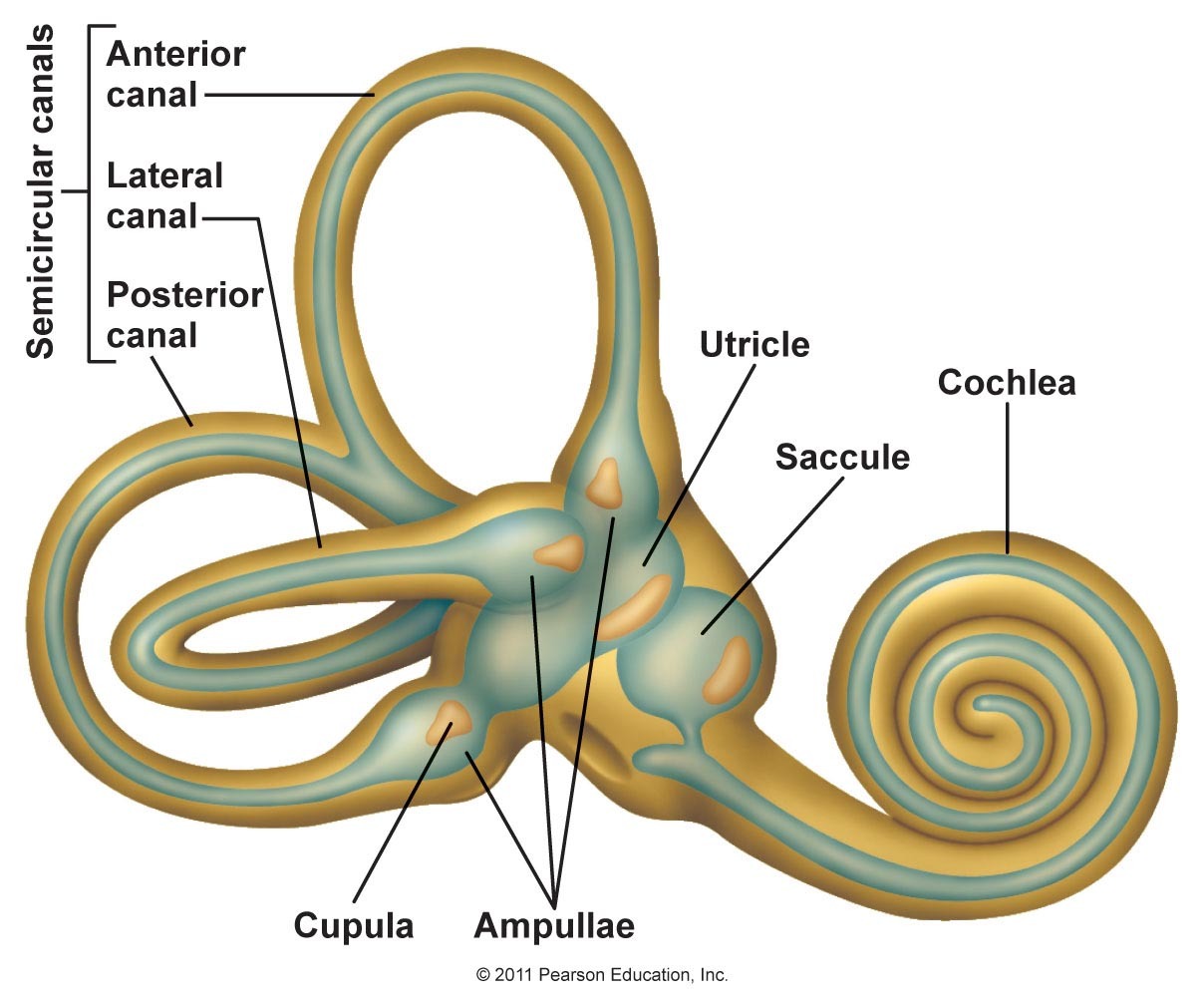
Vestibular System Anatomy and Function
Celine began with a comprehensive overview of the vestibular system's anatomy and function in maintaining balance and spatial orientation:
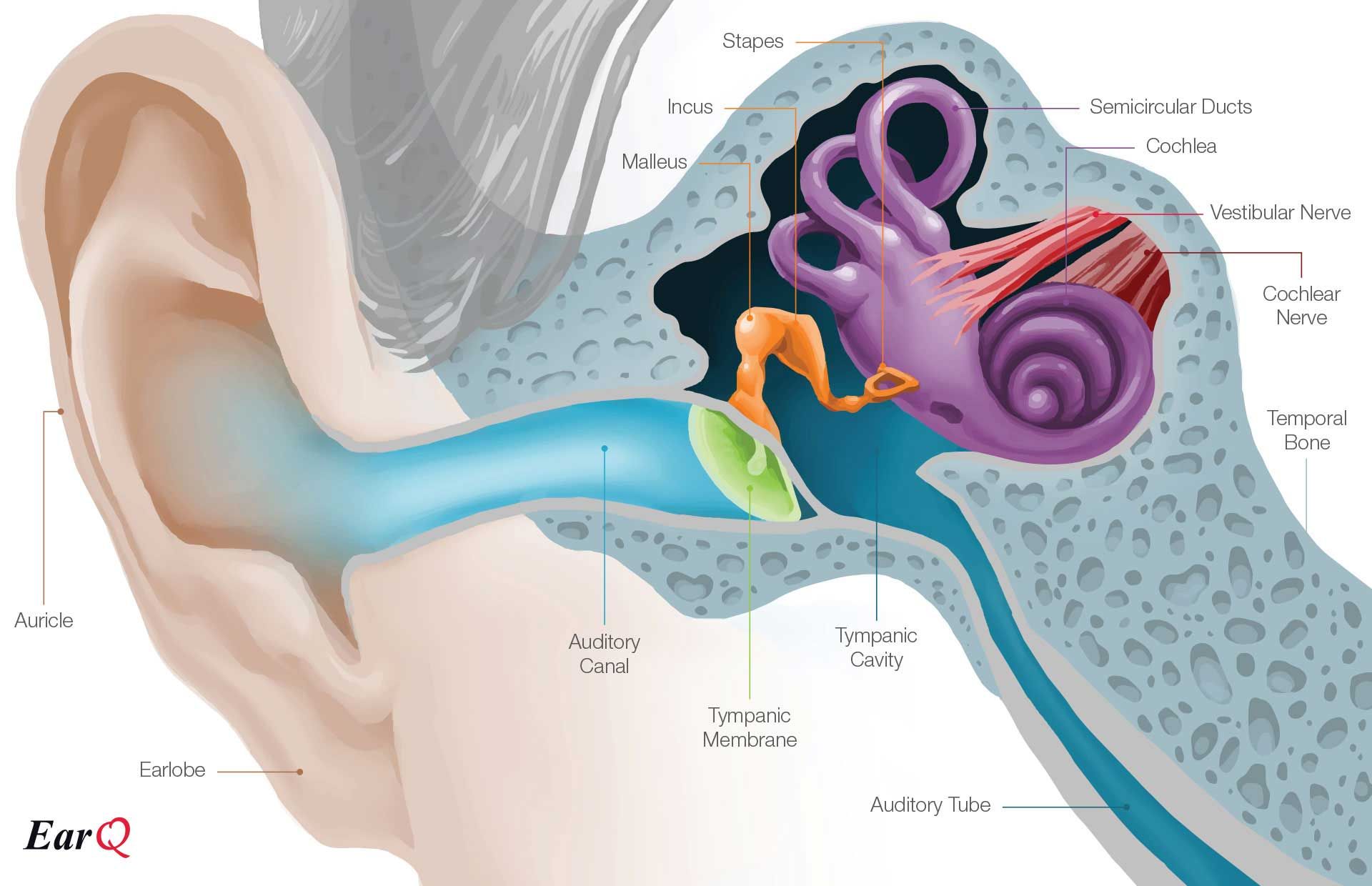
The vestibular system consists of two main components within the inner ear:
- Semicircular Canals: Three fluid-filled loops that detect rotational movements of the head
- Otolith Organs: The utricle and saccule, which detect linear acceleration and head position relative to gravity
 Mucula of an ultrical or saccule + (b) Crista of an ampulia.png)
Celine explained how these structures work together to provide the brain with information about head movement and position, which is crucial for maintaining balance, coordinating movements, and stabilizing vision during head motion.
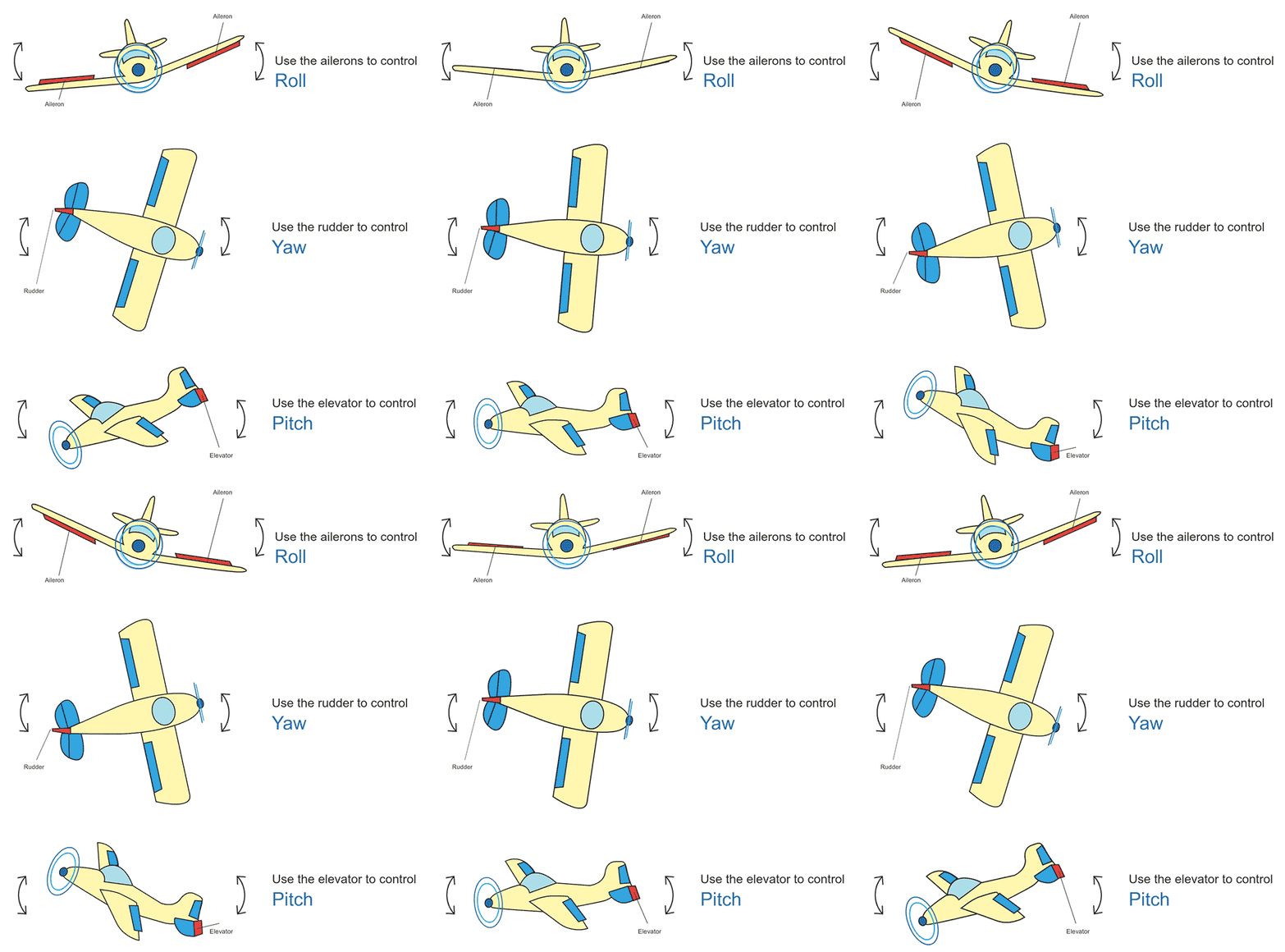
Diagnostic Tests for Vestibular Assessment
A significant portion of the presentation focused on the various diagnostic tests used to assess vestibular function:
Videonystagmography (VNG)
Celine described VNG as a series of tests that record eye movements using infrared goggles to evaluate the vestibular system and central motor functions:
.png)
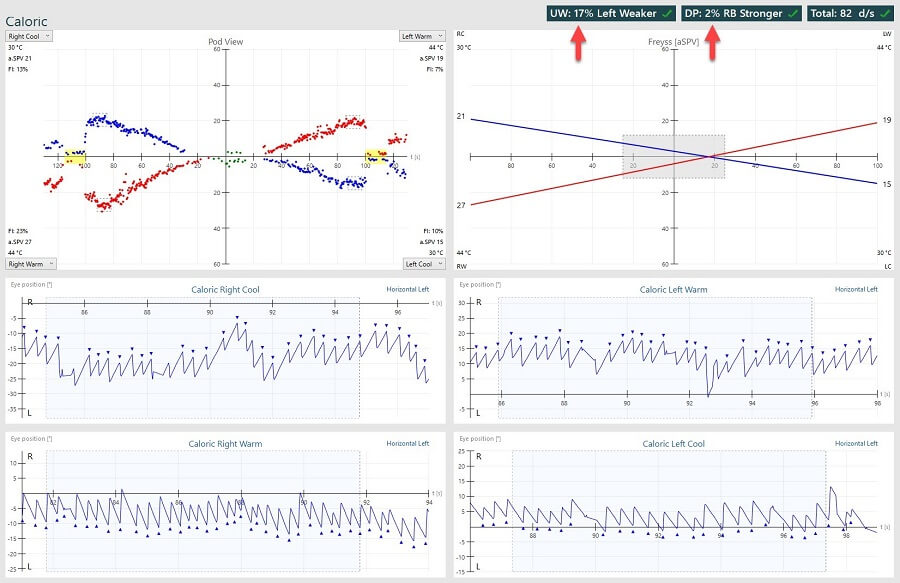
Caloric Testing
This component of VNG testing involves introducing warm or cool air/water into the ear canal to stimulate the vestibular system:
Computerized Dynamic Posturography (CDP)
Celine explained how CDP assesses a patient's balance control by measuring their ability to maintain stability on a moving platform:
.jpg)
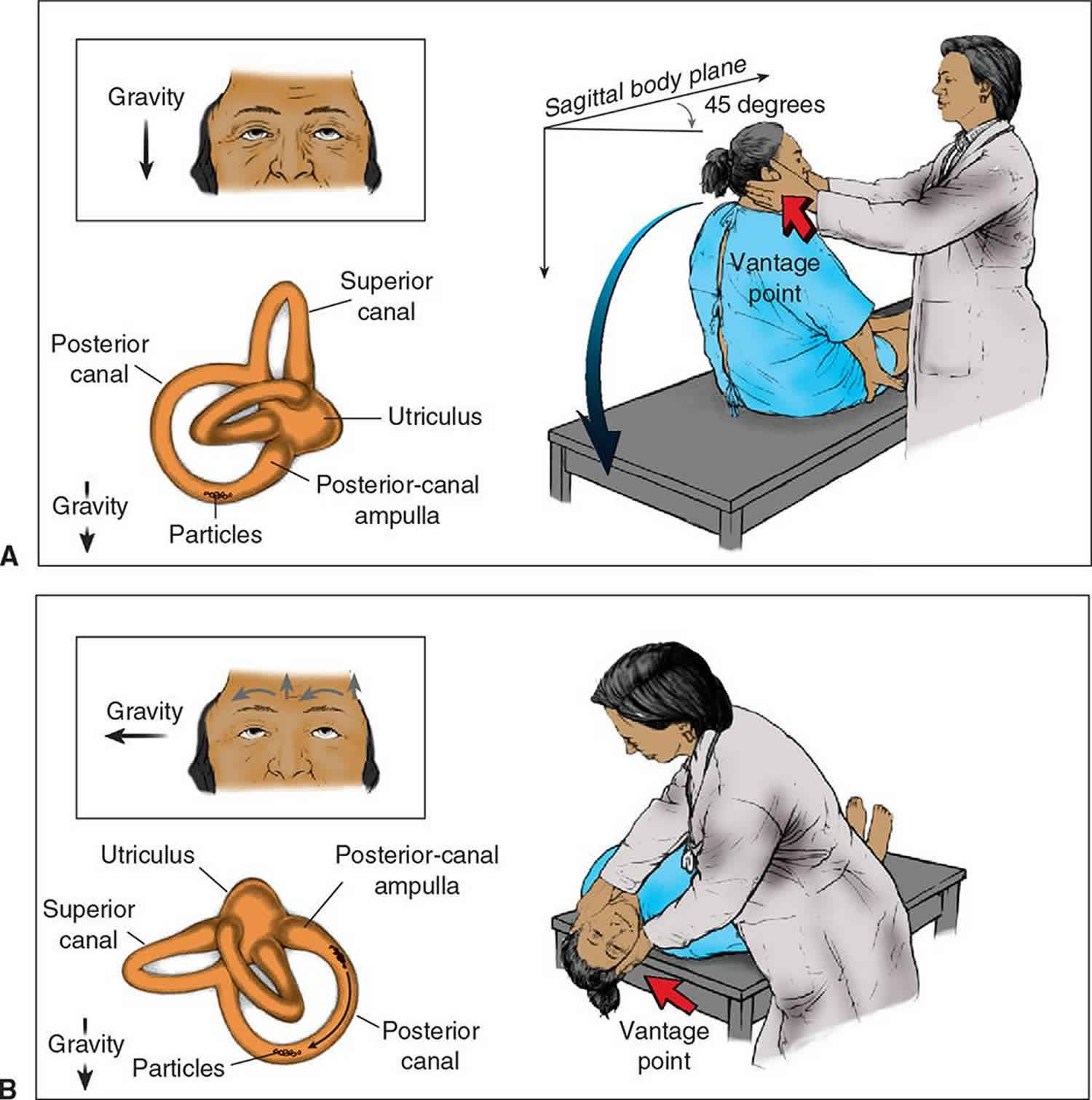
Dix-Hallpike Maneuver
This test specifically assesses for benign paroxysmal positional vertigo (BPPV), one of the most common vestibular disorders:
Other tests mentioned included:
- Rotary Chair Testing: Evaluates bilateral vestibular function
- Video Head Impulse Test (vHIT): Assesses the function of individual semicircular canals
- Vestibular Evoked Myogenic Potentials (VEMP): Tests otolith function via muscle responses
Nystagmus Patterns and Clinical Interpretation
Celine provided a detailed explanation of nystagmus patterns and their clinical significance in diagnosing vestibular disorders:
Different types of nystagmus can indicate specific vestibular disorders:
- Horizontal Nystagmus: May indicate lateral semicircular canal dysfunction
- Vertical Nystagmus: Often associated with anterior or posterior semicircular canal issues
- Torsional Nystagmus: Commonly seen in specific forms of BPPV
Celine emphasized that proper interpretation of these patterns requires clinical expertise and consideration of the patient's complete symptom profile, making this an area where AI assistance could potentially improve diagnostic accuracy.
Challenges in Vestibular Testing
The session highlighted several challenges encountered in clinical vestibular assessment:
Patient Factors
- Patient anxiety and discomfort during testing procedures
- Difficulty in maintaining proper positioning for specific tests
- Variable patient tolerance for symptoms induced during testing
Technical Challenges
- Accurately tracking eye movements, particularly in patients with cataracts
- Distinguishing between normal variations and pathological findings
- Time-intensive nature of comprehensive vestibular assessment (up to 3 hours)
Wei Sun and Alexander discussed potential technological solutions, including the use of polarizers to suppress reflections that interfere with eye tracking in cataract patients, highlighting the intersection of technical expertise and clinical need.
Discussion: Technology Integration Opportunities
The presentation sparked rich discussion about potential applications of AI and advanced technology in vestibular assessment:
Improved Eye Tracking
The team explored how AI might enhance pupil detection and eye movement tracking, particularly in challenging cases such as patients with cataracts. This could improve the accuracy and reliability of tests like VNG that depend on precise eye movement analysis.
Pattern Recognition
Participants discussed how machine learning algorithms could potentially identify subtle patterns in nystagmus and other vestibular responses that might not be immediately apparent to human observers, potentially improving diagnostic sensitivity.
User-Friendly Systems
Wei emphasized the need for more accurate and user-friendly systems that could help clinicians perform vestibular tests more efficiently while maintaining diagnostic accuracy.
These discussions highlighted the significant potential for technology to address current limitations in vestibular assessment while acknowledging the complexity of these evaluations and the continued importance of clinical expertise.
Next Steps
- Celine to download and send a video of a patient with cataracts undergoing vestibular testing
- Wei to book a room and send an email to all attendees about the location for the next in-person meeting on May 5th
- Shuwei to prepare a presentation on large language models for the next meeting
Future Directions
The workshop identified several promising research directions at the intersection of vestibular assessment and technology:
- Enhanced Eye Tracking: Developing more robust algorithms for tracking eye movements in diverse patient populations
- AI-Assisted Diagnosis: Creating systems that can help interpret complex patterns of vestibular dysfunction
- Patient-Friendly Assessment: Designing less invasive or uncomfortable testing procedures through technological innovation
- Remote Monitoring: Exploring possibilities for tracking vestibular function outside the clinical setting
These potential areas of research highlight the valuable cross-disciplinary collaboration between audiology, vestibular science, and artificial intelligence that the AI for HearTech seminar series aims to foster.
Next Session: Applications of Large Language Models in Healthcare
Shuwei Hou
PhD Student, Department of Computer Science & Engineering, University at Buffalo
Join us for an in-person presentation on applications of Large Language Models in healthcare settings.
View Full Schedule